
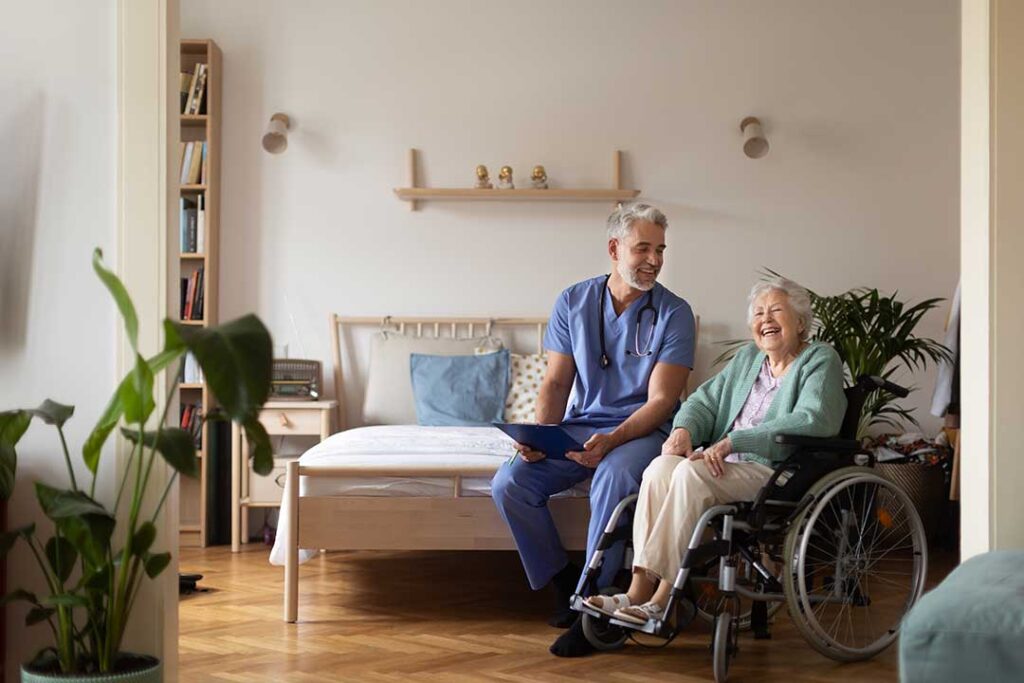
How does assisted living support residents with chronic diseases?
Assisted living communities in Kane, PA are designed to provide a safe and supportive environment for adults managing ongoing health conditions such as heart disease, diabetes, arthritis, COPD, or kidney issues. Staff are trained to assist with routines, medication, mobility, and lifestyle needs that help prevent complications. The structured support means that local residents can maintain independence while getting practical help with everyday challenges of chronic illness.
In practical terms, this means:
- Regular health checks and prompt responses to minor changes
- Medication reminders and supervision to reduce missed or incorrect doses
- Help with meal preparation that balances nutrition with dietary restrictions
- Support with mobility, reducing fall risk and injury
- Coordination with doctors and local clinics, making transport to appointments less stressful
Families often notice that residents with chronic conditions experience fewer hospital visits after moving into this kind of setting, because proactive daily monitoring and support help catch issues early.
What type of health monitoring is available?
Most assisted living communities in Kane monitor vital signs and health changes on a routine schedule, tailored to each resident’s needs. Health aides and nurses may:
- Check blood pressure, weight, blood sugar, or lung capacity regularly, if ordered
- Record and share this information with doctors or family caregivers as appropriate
- Observe for early signs of infection, dehydration, or medication side effects
Residents or families sometimes have concerns about privacy or autonomy, but health monitoring is generally conducted discreetly, with respect for resident dignity. If concerns about over-monitoring arise, residents can usually tailor the level of involvement.
How do staff help with medications?
Medication management is a key source of support for those living with chronic illness. Staff help by organizing pills, setting reminders, and administering doses at the appropriate times. In Kane, medication protocols are set by state regulations and tailored to each resident after they move in.
The most common forms of assistance include:
- Sorting pills weekly (or daily) into organizers
- Reminders when it’s time for medicines
- Supervised administration of important medications, especially injectables or inhalers
- Coordinating prescription refills and safe storage
Many residents find that this consistent routine helps reduce skipped doses or double dosing, which are common problems in independent living.
Can assisted living support special diets for chronic illness?
Yes, meal programs in local communities are familiar with a range of dietary needs related to common chronic conditions. For example:
- Low-sodium options for heart or kidney disease
- Diabetic-friendly menus with carbohydrate tracking
- Easy-to-chew meals for swallowing issues related to stroke or Parkinson’s
Menu planning is usually flexible, with adjustments for allergies and preferences. Residents with more complex dietary needs can often discuss requirements with the food services team. Families often provide doctors’ instructions so that meals can be customized safely.
How do activities and exercise programs help with chronic conditions?
Staying active is challenging for many with ongoing health issues, especially during Kane’s long winters or icy conditions when outdoor walks aren’t safe. Assisted living programs address this with a variety of indoor and adaptive fitness options:
- Group chair exercises, Tai Chi, and low-impact stretching
- Supervised activities in safe, accessible spaces
- Opportunities for walking indoors (such as on wide, handrail-lined halls)
- Social activity that encourages regular movement and reduces isolation

These supports can combat the stiffness, pain, or depression that often accompany chronic disease. Staff may gently encourage participation, tailoring recommendations to each resident’s mobility and energy level.
How does living in a communal setting reduce health risks?
Isolation and loneliness are risk factors for worsening chronic illness. In Kane, long, snowy months can make it difficult for older adults to stay social or active. Assisted living environments provide built-in opportunities for interaction, which can improve mental and physical health.
Local examples include:
- Regular group meals and recreation
- Packed calendars of social activities, from crafts to movie nights
- Tight-knit community atmosphere, where residents check on each other
With more eyes on daily well-being, early warning signs of illness are more likely to be noticed and acted upon before they become emergencies.
What about doctor appointments and care coordination?
Managing clinics, test results, and appointments can be overwhelming, especially with multiple specialists involved. Assisted living helps ease this burden by:
- Reminding and assisting with scheduling appointments
- Arranging group or individual transportation, especially helpful during snowy or icy weather when driving conditions are tough
- Keeping track of paperwork, test results, and follow-up instructions
- Communicating changes or updates to family members as needed
Residents receive support in keeping up with their treatment plan, which can often be difficult to maintain while living alone.
Are there common misconceptions about assisted living and chronic care?
A common belief among local families is that assisted living is only suitable for those needing minimal help. In reality, many residents manage complex, ongoing health needs with staff support. Others think that moving to an assisted living community means sacrificing independence. However, residents are encouraged to do as much as they safely can on their own, with staff stepping in only when needed.
It’s also worth noting that assisted living is not a substitute for skilled nursing or hospital care when chronic illness becomes severe. Yet for many, the day-to-day help makes living with a chronic condition safer, less isolating, and more manageable—especially with unpredictable weather or limited family support nearby.
