
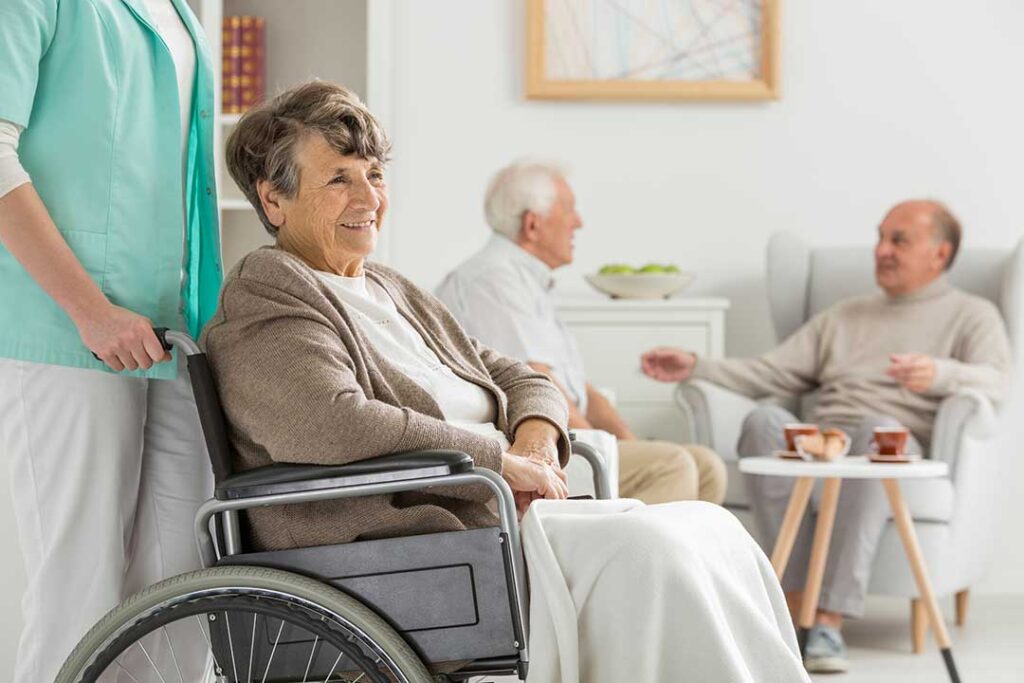
Moving into assisted living can support a person’s mental health, but it can also bring emotional challenges. A new setting may provide companionship, safer routines, help with daily tasks, and easier access to care. At the same time, a resident may grieve a former home, feel less independent, or worry about losing privacy.
For older adults and families in Kane, PA, understanding these changes can make it easier to notice concerns early and support well-being without treating every difficult day as a mental health disorder.
How can assisted living affect senior mental health?
Assisted living may improve mental health when it reduces daily stress and creates regular opportunities for connection. Personal care assistance, medication support, meals, transportation arrangements, and planned activities can help a resident conserve energy for relationships and interests. Pennsylvania describes assisted living residences as settings that may provide personal care and support for people who do not require continuous nursing care. ([pa.gov](https://www.pa.gov/agencies/dhs/resources/aging-physical-disabilities/personal-care-homes?utm_source=openai))
The transition may still cause sadness, frustration, anxiety, or confusion. These feelings are not automatically signs of depression or dementia. They may reflect grief, unfamiliar surroundings, changes in routine, or concerns about finances and independence.
A resident may adjust more comfortably when familiar items, preferred foods, meaningful activities, photographs, music, and regular family contact are included in daily life. In a rural community where winter weather, darkness, and transportation limitations can reduce visits, reliable phone or video contact may become especially valuable.
What mental health concerns are common among older residents?
Depression and anxiety can occur at any age, including after a move to assisted living. Signs may include:
- Ongoing sadness, hopelessness, fear, or irritability
- Loss of interest in meals, hobbies, conversation, or activities
- Changes in sleep, appetite, energy, or personal care
- Repeated worries, restlessness, or physical complaints without a clear explanation
- Withdrawal from other residents or family members
- Statements suggesting that life is not worth living
Loneliness and social isolation are related but different. Loneliness describes feeling disconnected, while social isolation refers to having little contact or support. The Centers for Disease Control and Prevention links both with increased risks of depression, anxiety, dementia, and other health problems. ([cdc.gov](https://www.cdc.gov/social-connectedness/risk-factors/index.html?utm_source=openai))
A person can feel lonely even in a busy residence. Group activities may not be enough if the resident has hearing loss, limited mobility, language barriers, or difficulty forming new relationships. One-to-one conversation and meaningful roles may work better than simply encouraging attendance at events.
How can families tell the difference between depression, dementia, and normal adjustment?
The pattern, duration, and cause of a change matter. Temporary sadness after a move may improve as the resident becomes familiar with the setting. Depression tends to cause persistent changes in mood, interest, energy, sleep, appetite, or self-worth.
Dementia involves ongoing problems with memory, thinking, communication, or judgment that interfere with everyday activities. Memory changes that disrupt daily life, difficulty completing familiar tasks, confusion about time or place, and major personality changes should be discussed with a medical provider. The CDC emphasizes that significant memory loss is not simply a normal part of aging and that evaluation may identify reversible causes or support earlier treatment. ([cdc.gov](https://www.cdc.gov/alzheimers-dementia/signs-symptoms/alzheimers.html?utm_source=openai))
Sudden confusion is different from gradual memory decline. New disorientation, unusual sleepiness, agitation, hallucinations, weakness, or a rapid behavioral change can be caused by infection, medication effects, dehydration, pain, or another urgent medical problem. Staff and family should report sudden changes promptly rather than assuming they are caused by dementia.
What can assisted living staff and families do each day?
Mental health support is often built from ordinary routines. Helpful approaches include:
- Asking the resident what matters to them instead of assuming which activities they will enjoy
- Maintaining a predictable daily schedule while allowing reasonable choices
- Encouraging daylight exposure and movement when weather and safety permit
- Supporting religious, cultural, creative, gardening, reading, or family traditions
- Breaking large activities into smaller, less demanding steps
- Checking whether hearing aids, glasses, dentures, or mobility equipment are working properly
- Watching for pain, constipation, dehydration, medication side effects, or poor sleep
- Offering quiet companionship rather than pressuring a resident to socialize
- Including the resident in decisions about clothing, meals, room arrangement, and activities

A resident who refuses a group activity may still welcome a short walk, a card game, a visit in the room, or help organizing personal belongings. Mental health support should be person-centered, not based on forcing participation.
Pennsylvania’s assisted living rules include expectations related to resident assessments, support plans, staff training, behavioral management, socialization, recreation, and care for residents with mental or cognitive disabilities. ([pa.gov](https://www.pa.gov/content/dam/copapwp-pagov/en/dhs/documents/providers/documents/human_services_licensing/assistedlivingresidencelicensing/c_125650.pdf?utm_source=openai))
What questions should families ask about mental health support?
Families can ask how the residence handles emotional or behavioral changes before a crisis occurs. Useful questions include:
- Who evaluates a new change in mood or behavior?
- How are families informed about concerns?
- How are medication changes reviewed for possible side effects?
- What activities are available for residents who prefer quiet or one-to-one interaction?
- How are residents supported during storms, extended indoor periods, or missed visits?
- How does the residence support people living with dementia?
- What happens if a resident needs psychiatric, counseling, or emergency services beyond the residence’s capacity?
- How are personal preferences included in the assessment and support plan?
Pennsylvania’s Department of Human Services licenses and monitors personal care homes and assisted living residences. Families can review licensing information and ask about inspection history, staffing, training, resident rights, and the residence’s written procedures. ([pa.gov](https://www.pa.gov/agencies/dhs/departments-offices/oltl-info/oltl-bureau-human-services-licensing?utm_source=openai))
When does a concern require immediate action?
A resident needs urgent evaluation for threats of self-harm, severe agitation, abuse, inability to stay safe, a major sudden change in awareness, or behavior that could harm the resident or another person. In an immediate emergency, call 911 or use the local emergency department.
Concerns about neglect, abuse, exploitation, or violations of resident rights should be documented and reported through the residence’s complaint process and the appropriate Pennsylvania oversight channel. The state provides resident-rights information and contacts for licensing offices, ombudsman services, Area Agencies on Aging, and county mental health services. ([pa.gov](https://www.pa.gov/content/dam/copapwp-pagov/en/dhs/documents/licensing/bhsl-licensing/documents/Assisted_Living-Resident_Rights_Poster.pdf?utm_source=openai))
Mental health in assisted living is not limited to diagnosing illness. It also includes dignity, meaningful choice, social connection, physical comfort, privacy, safety, and the opportunity to remain involved in everyday decisions. For residents and families in Kane, attentive observation and steady communication can help identify problems early while preserving the person’s independence and sense of identity.
