
Moving to assisted living can bring relief, sadness, fear, gratitude, frustration, or several of these feelings at once. Emotional preparation does not mean feeling completely ready. It means understanding that the transition may take time and creating ways to preserve dignity, choice, familiarity, and connection.
For residents and families in Kane, PA, the decision may also involve leaving a long-familiar home, adjusting to a different daily rhythm, and planning around snowy winters or travel conditions that can affect visits. A thoughtful emotional plan can make the move feel less like a sudden loss and more like a carefully managed change.
Why does assisted living feel emotionally difficult?
Assisted living often represents a change in independence, identity, and routine. Even when additional support is needed, a person may grieve the loss of a private home, familiar neighbors, household responsibilities, or the ability to make every decision without assistance.
Common feelings include:
- Sadness about leaving a longtime home
- Fear of becoming dependent on others
- Anger about health changes or family pressure
- Guilt about needing help
- Anxiety about unfamiliar people and routines
- Relief from home maintenance, isolation, or safety concerns
- Hope about having more support and social contact
These emotions are not signs that the move is necessarily wrong. They are normal responses to a major life change. Family members may also experience grief, worry, or guilt, particularly if they believe they should have provided more care at home.
How can a person stay involved in the decision?
People usually adjust better when they have meaningful control over the transition. Even if the need for assisted living is no longer optional, many choices can still belong to the future resident.
Invite the person to participate in decisions such as:
- Which personal items should move
- How the room should be arranged
- What daily routines matter most
- Which activities sound appealing
- How often family visits should occur
- Who should be included in care discussions
- What information may be shared with relatives
Avoid presenting the move as something that is simply “being done” to the person. Use clear, respectful language and allow time for repeated conversations. Someone who reacts negatively during the first discussion may need information in smaller portions rather than a single lengthy explanation.
Pennsylvania assisted living residents generally retain rights related to privacy, communication, personal decisions, and participation in planning. Understanding those rights can reduce fear and help families discuss support without treating the resident as powerless.
What should families say during difficult conversations?
The most useful conversations are honest without being threatening. Focus on specific needs rather than criticism.
Instead of saying, “You cannot live alone anymore,” try:
- “The winter stairs and snow removal have become harder to manage safely.”
- “Medication organization has been stressful, and additional support may make daily life easier.”
- “Let’s look at options together and identify what you would want to keep.”
Do not promise that every part of assisted living will feel comfortable immediately. A more realistic message is that adjustment may be uneven, but the resident will have opportunities to shape routines and express concerns.
Family members should also avoid arguing about every expression of sadness. Acknowledging the feeling can be more helpful than immediately correcting it. “It makes sense that leaving your home feels painful” often opens a better conversation than “You will like it once you get there.”
How can someone make the new space feel familiar?
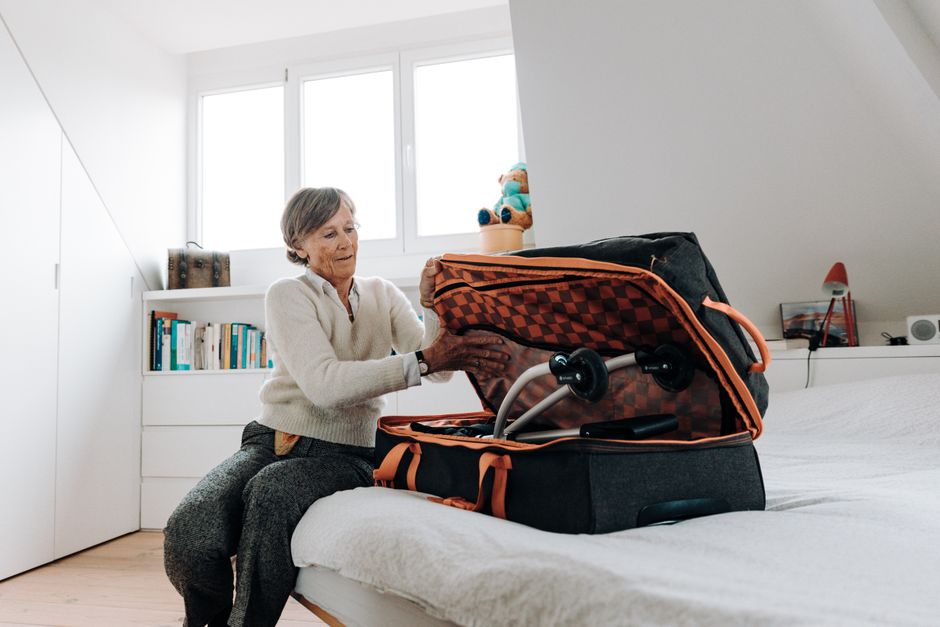
Familiar objects can provide emotional continuity. Before packing, identify the items that carry the most meaning rather than trying to move everything.
Useful choices may include:
- A favorite chair or small table
- Family photographs
- Familiar bedding or a quilt
- A radio, clock, or reading lamp
- Favorite books
- A calendar with birthdays and planned visits
- A small collection connected to a hobby
- A familiar scent, such as a preferred lotion or soap
The goal is not to recreate the entire former home. A few recognizable objects, arranged thoughtfully, can make a new room feel personal instead of temporary.
If the move occurs during a cold or snowy season, pack suitable outerwear, nonslip footwear, gloves, and clothing that is easy to layer. Practical comfort can reduce stress during the first weeks, especially when weather limits outdoor activity or makes travel more difficult.
What should happen before moving day?
A gradual transition is often easier than waiting until the day of the move to explain everything. If possible, visit the setting more than once, ask about a typical day, and discuss meals, activities, quiet hours, personal care, medication support, and visiting routines.
A written transition plan can include:
- Preferred waking and sleeping times
- Foods the person enjoys or avoids
- Important religious, cultural, or household routines
- Communication preferences
- Signs of anxiety or distress
- Calming activities
- Names of key family contacts
- A schedule for the first several visits
Talk about what will happen on moving day, including who will be present, when belongings will arrive, and where the resident can go if the room becomes overwhelming. Predictability can lower anxiety.
Avoid making moving day unnecessarily crowded. Too many visitors, last-minute decisions, or large amounts of unpacking may leave the person feeling unsettled. One calm, familiar person may be more reassuring than a large group.
How can family members support adjustment after the move?
The first few weeks may include homesickness, withdrawal, irritability, tearfulness, or repeated requests to return home. Families should listen for patterns rather than judging the entire transition by one difficult day.
Helpful support includes:
- Keeping visits predictable
- Calling at an agreed-upon time
- Bringing only a few needed items
- Taking a short walk or sharing a quiet activity
- Asking about one specific part of the day
- Noticing small successes
- Allowing the resident to complain without immediately defending the decision
Families in the Kane community may need backup plans for visits during heavy snow, icy roads, or short winter daylight. A regular phone or video call, a shared photo album, or written notes can help maintain connection when travel is unsafe or impractical.
At the same time, constant checking can unintentionally communicate that the resident is unable to cope. A steady routine is usually more reassuring than frequent unscheduled calls driven by family anxiety.
What if the person remains unhappy?
Persistent distress deserves attention rather than dismissal. Ask whether the problem is emotional, practical, medical, or social. Poor sleep, pain, medication effects, dehydration, infection, hearing difficulty, or depression can all make adjustment harder and may appear as anger or withdrawal.
Specific questions are more useful than “Are you settling in?” Ask:
- “What part of the day feels hardest?”
- “Is there a person, noise, meal, or routine bothering you?”
- “Do you feel rushed or confused?”
- “What would make the room feel more like yours?”
- “Would you prefer more privacy or more activity?”
Share recurring concerns with the appropriate care staff and include the resident in discussions whenever possible. If sadness, anxiety, confusion, or hopelessness is severe, sudden, or persistent, medical evaluation may be appropriate. Immediate help is needed if the person talks about self-harm, expresses a wish to die, or cannot remain safe.
How can family caregivers prepare emotionally?
Family members need emotional preparation too. Guilt can lead relatives to overpromise visits, second-guess every decision, or hide concerns from one another. A healthier approach is to separate love from the amount of hands-on care one person can provide.
Before the move, families can agree on:
- Who handles paperwork and updates
- Who visits regularly
- How concerns will be communicated
- What changes should prompt a family discussion
- How to respond when the resident asks to go home
- How each person will protect their own sleep, work, and health
A move to assisted living does not end a family member’s role. It changes that role from managing every household task to offering connection, advocacy, encouragement, and familiar companionship.
The emotional goal is not to eliminate grief or uncertainty. It is to help the resident remain respected, involved, and connected while building a new sense of safety and belonging.
